Garden clearance in Cranford
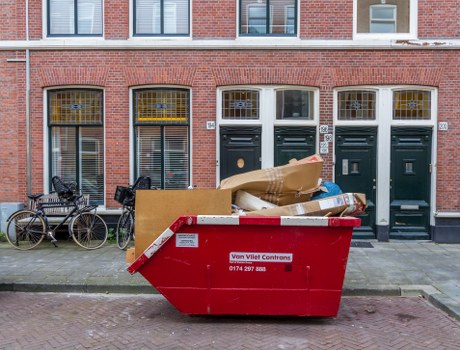
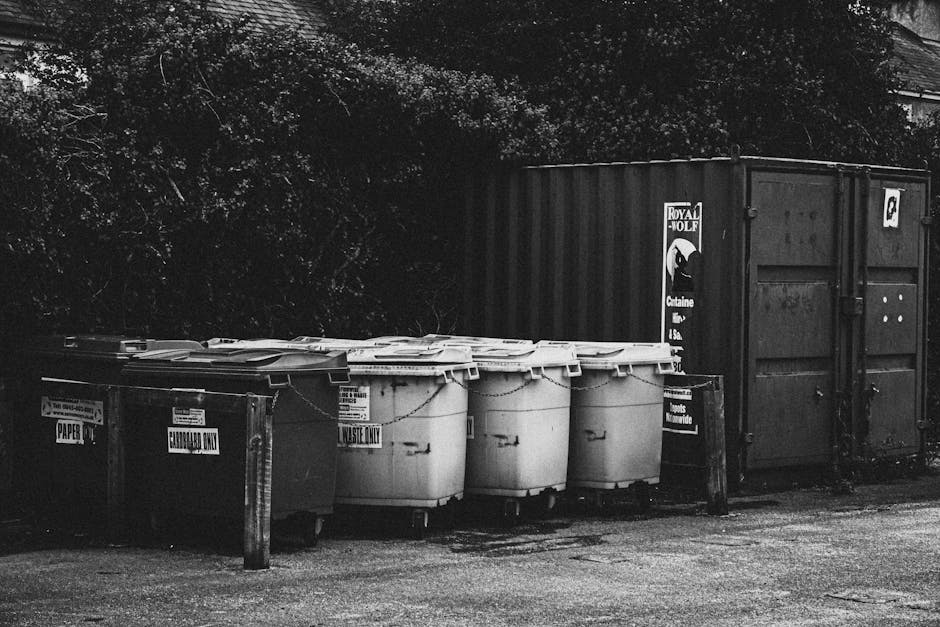
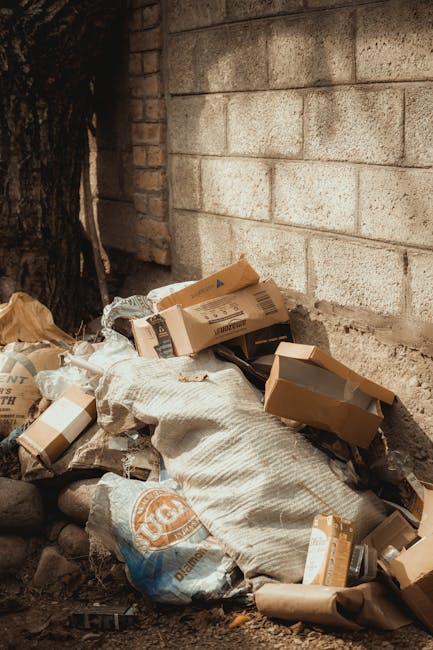
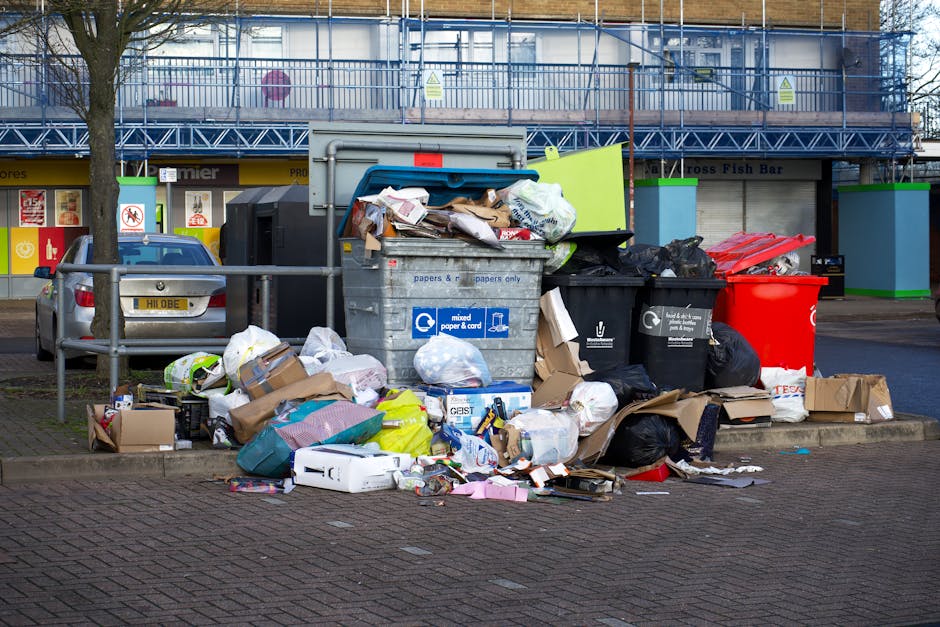
Garden clearance in Cranford should make outdoor spaces easier to use again, whether the job involves a modest tidy-up, a full seasonal clear-out or the removal of heavy green waste after larger pruning work. We handle the practical side of the task, from collecting mixed garden debris to loading, sorting and taking away items that are no longer needed. That can include brash, soil, broken pots, old edging, damaged timber and other outdoor materials that have built up over time.
Our service is designed to suit a range of property types, including front gardens, rear gardens, shared access spaces and overgrown plots that need a careful reset. Where relevant, we can also deal with general garden clutter that has been left beside sheds, along boundaries or in side returns. The aim is a tidy, workable finish rather than a rushed sweep, so the service can be shaped around what is actually present on site.
Need garden waste cleared from Cranford? Read through the service details below and request a quotation when you are ready.
What our garden clearance covers
Garden clearance is often broader than simple green waste removal. In practice, it may involve cutting back what has been left to grow, separating organic waste from reusable items and removing the clutter that stops a garden feeling usable. We can clear material that has accumulated after routine maintenance, renovation work or long periods without attention, and the service can be planned to match the scale of the job rather than forcing everything into a single approach.
Typical clearance work can include hedge cuttings, branches, leaves, turf, weeds, dead plants, old compost, loose gravel and unwanted outdoor items. If there are broken plant supports, damaged ornaments or disused containers mixed in with the waste, these can usually be dealt with as part of the same visit. This kind of service is especially useful when the aim is to create a cleaner base for future landscaping, planting or general upkeep.
From light tidying to fuller clearances
Some customers need a straightforward pickup after pruning or lawn work, while others need a more involved clearance because the space has been neglected. The same service can support both situations, but the work carried out will depend on what is there and how much sorting is required. A lighter job might be about collecting loose waste efficiently, whereas a fuller clearance may involve tackling dense overgrowth and heavier debris in stages so that the garden is left manageable.
How the clearance process is organised

Good garden clearance starts with a clear understanding of access, volume and the type of waste involved. Narrow side passages, steps, uneven ground and rear access points can all affect how the work is planned. Where there is a mixture of green waste and general garden rubbish, it helps to separate items sensibly so that the clearance is handled cleanly and the correct disposal route is used for each material. That keeps the job orderly and avoids unnecessary handling.
For most customers, the simplest way to arrange the work is to describe the garden, list the main items or types of waste and mention anything bulky or awkward. A few photos can be useful if the garden is cluttered or if access is tight, because they help show the layout and the amount of work involved. If you are comparing options, it is also sensible to note whether the clearance is a one-off task or part of a larger outdoor project, as that can affect how the work is scheduled.
The key point is that a well-planned clearance should fit the site. It should not assume that every garden has the same level of access, nor should it treat every pile of waste in the same way. By matching the work to the actual conditions, the job stays more efficient and the result is more consistent. Clear information at the start helps the quotation reflect the work properly.
Useful garden items and waste types
Many garden clearances involve a combination of soft green waste and harder outdoor materials. Green waste includes cuttings, grass, weeds, branches, leaves and similar organic matter. Harder items may include old timber, fencing offcuts, plant containers, cracked slabs, broken storage items or damaged outdoor furniture left in the garden. When these are collected together, it is usually best to sort them carefully so that disposal is handled in a sensible and compliant way.
Some properties also accumulate awkward mixed waste near sheds, garages or outbuildings. In those cases, the job may involve moving items that have become part of the garden clutter over time rather than waste that was created by one single maintenance visit. That is still within the scope of a garden clearance service, provided the materials are outdoor items and not a different specialist category. The emphasis is on removing what is preventing the space from being usable.
- Cuttings, branches, hedge trimmings and other green waste
- Leaves, weeds, turf and general garden debris
- Old plant pots, trays, compost bags and worn containers
- Broken outdoor items, timber, edging and light rubble
Why careful sorting matters
Sorting is not just an administrative detail; it affects how the work is carried out and what happens to the materials afterwards. Mixed garden waste can contain recyclable green matter, reusable materials and items that need separate handling. A careful approach helps prevent unnecessary contamination and makes it easier to move the right materials through the appropriate disposal route. That matters whether the job is a small tidying exercise or a broader clearance after months of overgrowth.
It also helps to identify anything that should not be included in the clearance scope. For example, if a garden contains items from a home clearance, renovation project or garage clean-out, those materials may need to be treated separately. Being precise at the quoting stage avoids confusion later and makes the work more predictable. If you are unsure whether something belongs in the garden clearance, it is better to describe it clearly than to leave it out.
Materials that need extra attention
Some items need more careful handling because they are heavier, awkward or mixed with other debris. Wet soil, thick roots, pieces of concrete edging and piles of broken fencing can be more labour-intensive than loose cuttings. Likewise, garden waste that has compacted over time can take longer to load safely. These details do not make the job unsuitable; they simply shape the practical plan and the quotation so that the work is matched to reality.
Garden clearance for overgrown spaces

When a garden has been left untouched for a while, the clearance often becomes more than a simple waste collection. Overgrown borders, dense bramble, scattered debris and hidden items can make the space difficult to assess at first glance. In those situations, the work may need a methodical approach so that waste is removed in a sensible order and anything dangerous or fragile is handled with care. The outcome is a garden that can be seen, accessed and improved again.
Overgrown clearances are often requested before landscaping, fencing, replanting or property handover. The main purpose is to remove the material that prevents the space from being used properly. That might involve clearing a path to sheds or gates, opening up boundary lines or removing years of accumulated waste from corners and storage areas. The exact sequence depends on the state of the site, but the principle remains the same: take away the unwanted material without creating avoidable mess.
Where a garden contains thick vegetation, a clearance can also reveal structural issues such as damaged paving, unstable edging or broken fixtures. Those are not automatically part of the waste removal itself, but noticing them during the job can help the owner decide what should happen next. Careful clearance creates a clearer starting point for whatever comes after.
Preparing for a quotation
If you want an accurate quotation, it helps to give a short description of the garden and the main types of waste present. Mention whether the clearance is mainly green waste, a mixture of green and general garden rubbish, or a heavier job involving timber, soil or larger outdoor items. Access details are also useful, especially where the garden can only be reached through the house, down steps or via a narrow side path. The more precise the description, the easier it is to match the quote to the work.
A quick set of photos can be useful when the space is cluttered or when the waste is spread across different parts of the garden. If there are items that should stay on site, it helps to identify them so they are not counted in the clearance. You do not need to write a long brief; a few practical notes are usually enough to show what needs to be removed and what kind of effort the job may involve. Useful details at the start save time later.
Once you are ready, ask for a quotation and describe the clearance in plain terms. If the work is time-sensitive because of a move, a project or planned maintenance, it is worth mentioning that too. A clear request helps us respond with the right scope rather than a generic estimate.
About Cranford
Cranford is a district in the London Borough of Hounslow, lying close to Heathrow Airport and the western edge of Greater London. The area takes its name from the crossing point of the River Crane, and that river remains one of the most recognisable natural features in the locality. Cranford Park provides a significant open space here, with historic landscape remains, grassland and tree cover that contrast with the surrounding urban streets and transport routes. The park’s grounds include the former Cranford House site, and the area’s past is still visible in fragments of historic fabric and landscape layout. Cranford itself has long been shaped by movement and connectivity: the A4 runs nearby, the M4 corridor is close at hand and the surrounding borough is threaded with routes linking west London, the airport and neighbouring districts. Despite that transport-heavy setting, there are still quieter residential pockets and riverside stretches that give the place a more settled character. Local architecture varies from older surviving buildings and boundary walls to later suburban housing and commercial development, reflecting the layered growth of west London over time. The River Crane and the open land around it add a more natural element to the area, while nearby retail and business zones contribute to a practical, busy atmosphere. Cranford’s identity is therefore a mixture of river landscape, historic continuity and modern infrastructure, all compressed into a relatively compact part of the capital.
What affects the price of garden clearance
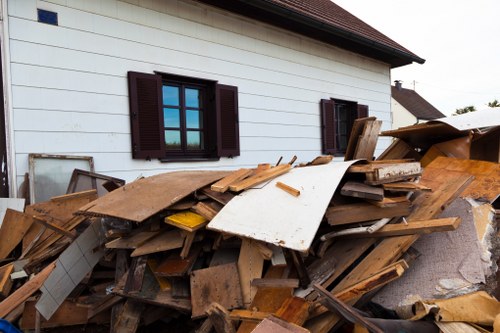
Garden clearance pricing usually depends on the amount of waste, the type of waste and the effort needed to remove it safely. A load of loose branches and cuttings is different from a garden packed with compacted debris, soil, broken fixtures and heavy outdoor materials. Access can also have a major effect, especially if items need to be carried a long way or moved through tight openings. Where the work is straightforward, the quotation may be simpler; where it is awkward, the quote will usually reflect the extra labour involved.
Another factor is whether the garden needs sorting before removal. Some sites contain separate piles of green waste, old furniture, damaged fencing or mixed rubbish gathered from different projects. When there is more to identify and handle, the work can take longer even if the overall volume does not seem especially large. For that reason, it is better to describe the contents honestly than to focus only on the size of the space. The quotation should follow the actual work required.
We also take into account whether the clearance forms part of a wider outdoor refresh. If the site is being prepared for planting, landscaping or boundary work, the removal plan may need to be more organised so the area is left in a suitable condition. That does not mean every job must become a major project; it simply means the service can be set out according to the task in front of us.
Garden clearance and the wider outdoor tidy-up
Some customers need garden clearance alongside other outdoor clearing tasks, such as removing items stored by a garage, clearing a side passage or taking away old materials from around a shed. When these jobs overlap, it is important to decide what belongs in the garden scope and what belongs elsewhere. Keeping the work category clear makes the quotation more accurate and avoids confusion on the day. It also helps ensure that different waste types are handled in a sensible order.
This is particularly useful when the garden has become a holding area for items from several parts of the property. A pile near the back fence may be garden waste, while a separate stack beside the outbuilding may include household clutter or renovation offcuts. Where that distinction matters, we can work from a precise description and separate the items accordingly. The goal is to remove what belongs to the garden clearance without turning the job into a vague all-purpose clear-out.
If you are planning further work after the clearance, it can help to think about the sequence. Clearing first often makes later tasks easier because the space is open, visible and simpler to measure or assess. Start with a clear scope and the rest of the project becomes easier to organise.
Choosing the right scope for your garden
Not every garden needs the same depth of service, so the right scope depends on what is actually on site. A small courtyard may need little more than a tidy collection of clippings and discarded pots, while a larger plot may need a more complete clearance involving layered waste and overgrowth. We can tailor the work to the site rather than forcing it into a fixed format. That flexibility matters when the garden is a mix of neat areas and neglected corners.
It is also sensible to think about what you want the garden to be ready for afterwards. A simple waste removal may be enough if the aim is to restore basic order. If the space is being prepared for replanting or a more detailed landscape project, the clearance may need to go further so that the ground is easier to work with. The service can be adapted for those different aims without making unsupported promises about additional trades or finishing work.
For a straightforward next step, send a clear description of the garden and request a quotation when you are ready. If you prefer, keep it brief and focus on the main items, access and the type of finish you want.
Booking a suitable garden clearance
Once the scope is clear, booking is mainly about matching the right service to the site conditions. That means identifying the waste type, noting any awkward access and deciding whether the clearance should deal with only the obvious piles or the whole outdoor area. A well-scoped job is easier to organise and usually produces a more predictable result because the practical work has been described in advance rather than assumed later on.
It can also help to mention any items that are staying in place, such as planters, tools, children’s equipment or fixed features that should be left alone. That is particularly useful if the garden has mixed use and only part of it needs attention. Clear boundaries keep the work focused and reduce the chance of confusion. The same applies if you are arranging the clearance around other work, such as a delivery, a property sale or landscaping preparation.
When you are ready, keep the request simple: say what needs clearing, note the access and ask for a price based on the actual work. Request a quotation for garden clearance in Cranford and we will use the details you provide to shape the next step.