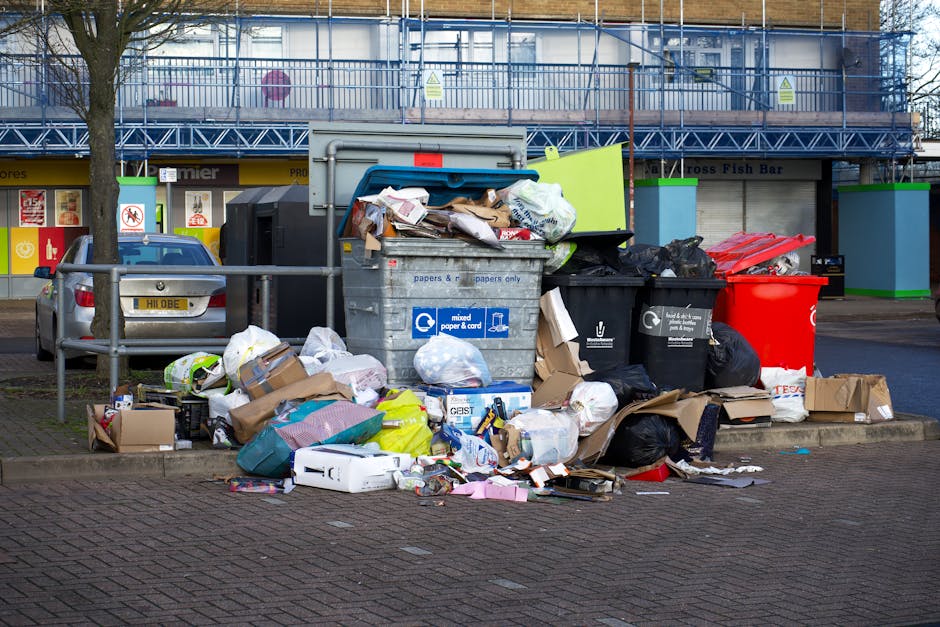
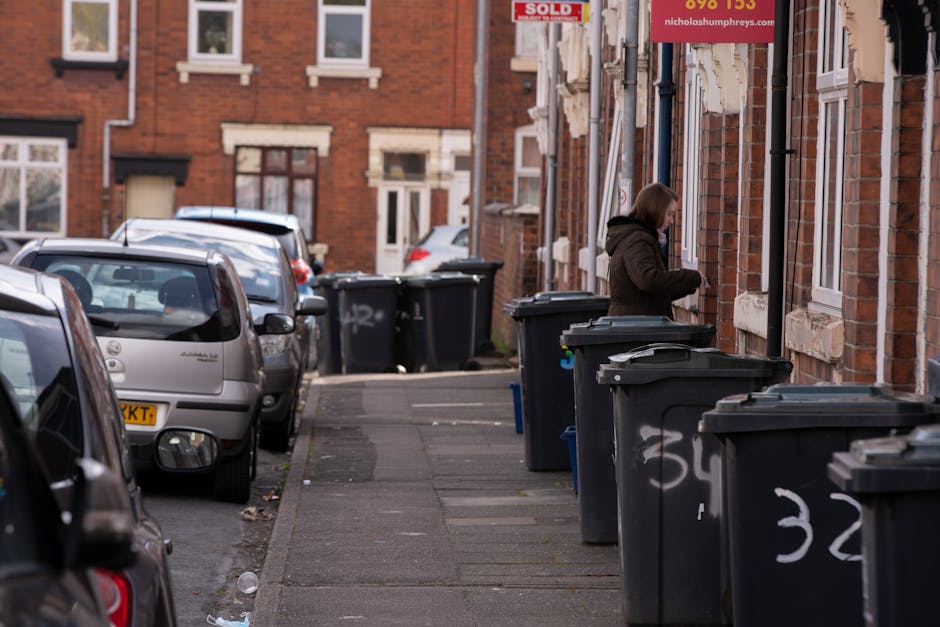
Cranford Broadway rubbish removal guide for homeowners
If you live near Cranford Broadway and the house has started collecting the usual clutter, you are not alone. Old furniture in the front room, garden waste in black bags, a half-finished DIY pile in the shed, and maybe a loft that has quietly become a storage unit for "things we'll sort later". This Cranford Broadway rubbish removal guide for homeowners is here to make the whole process feel less messy, less stressful, and much more manageable.
The aim is simple: help you work out what needs removing, how to do it safely, when a professional clearance makes sense, and how to avoid the common mistakes that waste time and money. Whether you are clearing a single bulky item or tackling a full property clean-out, a bit of structure goes a long way. Let's face it, rubbish never seems urgent until it is right in the way.
Table of Contents
- Why Cranford Broadway rubbish removal guide for homeowners Matters
- How Cranford Broadway rubbish removal guide for homeowners Works
- Key Benefits and Practical Advantages
- Who This Is For and When It Makes Sense
- Step-by-Step Guidance
- Expert Tips for Better Results
- Common Mistakes to Avoid
- Tools, Resources and Recommendations
- Law, Compliance, Standards, or Best Practice
- Options, Methods, or Comparison Table
- Case Study or Real-World Example
- Practical Checklist
- Conclusion
- Frequently Asked Questions
Why Cranford Broadway rubbish removal guide for homeowners Matters
For homeowners, rubbish removal is not just about tidying up. It affects safety, comfort, storage space, odour, pests, and even how a property feels day to day. A hallway full of broken items is more than inconvenient; it can make moving around awkward, especially if children, older relatives, or visitors are in the house. And in a busy area, where parking and access can already be tight, poor planning can turn a simple job into a frustrating one.
A useful guide matters because most rubbish removal jobs are not actually one big task. They are a series of small decisions: what can be reused, what should be recycled, what needs special handling, and what should be taken away by trained crews. That is where a bit of local awareness helps. If you know what you are dealing with before you start, you save yourself the classic last-minute panic of standing in the driveway at 7pm wondering how on earth the old wardrobe got so heavy.
This also matters if you are comparing options. A homeowner may need help with house clearance, garage clearance, loft clearance, or even a mix of several jobs at once. The better you understand the process, the easier it is to decide what kind of service you actually need.
How Cranford Broadway rubbish removal guide for homeowners Works
At a practical level, rubbish removal usually starts with sorting. Homeowners separate general household waste from bulky items, garden cuttings, renovation debris, furniture, and anything that may require careful handling. Then comes the lift, load, and disposal stage, where the waste is collected and taken away for sorting, recycling, or disposal through the appropriate channels.
A professional approach is often more straightforward than trying to do everything yourself. For example, a team can remove awkward items from upstairs, move heavy pieces through narrow hallways, and deal with mixed waste without making your whole day disappear. That matters if your home is on a busy road or if access is a bit fiddly. These things always take longer than people expect, a bit annoyingly so.
In many cases, homeowners use rubbish removal alongside broader services such as home clearance or furniture disposal. The benefit is that you do not need to coordinate several separate trips or wrestle with awkward items yourself. You get a single plan, a single removal window, and far less mess left behind.
Key Benefits and Practical Advantages
Done properly, rubbish removal gives you more than a clean-looking space. It changes how the home functions. You can use the spare room again, clear the garden for family time, or finally get the garage back to being a garage rather than a storage cave.
- More usable space: Clearing old clutter instantly makes rooms feel larger and more liveable.
- Better safety: Fewer trip hazards, fewer sharp edges, and less strain from moving heavy items.
- Less stress: When the waste is gone, the job feels finished rather than hanging over you.
- Improved hygiene: Removing damp cardboard, old soft furnishings, and forgotten junk helps reduce smells and mess.
- Cleaner handover: Useful if you are preparing a property for sale, rent, renovation, or family use.
There is also a practical financial side. Proper planning can help avoid paying for unnecessary trips or over-ordering disposal space. If you only need one room cleared, for example, you may not need the same approach as a full house clearance or a complete garage clearance. Matching the job to the method matters.
Expert summary: The best rubbish removal jobs are rarely the fastest ones to begin with. They are the ones that are sorted well, planned sensibly, and lifted once rather than twice.
Who This Is For and When It Makes Sense
This guide is for homeowners who are dealing with anything from a few bulky items to a major clear-out. It is especially useful if you have been putting off the job because you are not sure where to start. Truth be told, that is most people.
It tends to make sense to arrange rubbish removal if you are:
- moving house and need rooms cleared quickly
- renovating and collecting builders' offcuts or packaging
- clearing a loft, garage, shed, or spare room
- replacing old furniture and want it gone responsibly
- dealing with garden waste after a big tidy-up
- sorting a property after tenants, relatives, or long-term storage
It can also be the right choice if you simply do not have the time, vehicles, or physical capacity to move items yourself. A lot of homeowners assume they need to do it all in one heroic weekend. They do not. Sometimes the sensible move is to get help and protect your back, your time, and your mood.
If your job includes mixed waste or heavier items, it may also overlap with builders waste clearance, garden clearance, or furniture clearance. That is perfectly normal. Real homes are not neat categories.
Step-by-Step Guidance
A little structure makes rubbish removal much easier. If you are planning to handle the sorting yourself before collection, use this simple process.
- Walk the property first. Check every room, the loft, shed, garage, under-stairs space, and garden.
- Separate the waste. Group items into general rubbish, reusable goods, furniture, garden waste, and renovation debris.
- Identify anything special. Some items need extra care, such as electrical goods, paint tins, sharp materials, or anything damaged in a way that makes it awkward to handle.
- Measure bulky items. A wardrobe that looks manageable in a room can be a pain in a narrow stairwell.
- Clear a route out. Move fragile items, open doors, and make space near entrances.
- Decide what stays and what goes. Be honest here. If you have not used it in years, it may be taking up more than space.
- Arrange collection. Pick a time that works with parking, neighbours, and your own schedule.
- Do a final sweep. Check cupboards, corners, sheds, and behind larger furniture before the team arrives.
If you are dealing with a whole-home situation, consider whether the job is closer to a full home clearance or a targeted room-by-room removal. That distinction helps with planning and avoids overcomplicating what should be a straightforward day.
Expert Tips for Better Results
The best results usually come from a calm, staged approach. Start with the worst area first. It sounds counterintuitive, but once the most awkward pile is gone, the rest of the property feels easier. A dusty loft on a warm afternoon, with old boxes making that faint cardboard smell, can be a confidence killer if you leave it until the end.
Here are a few practical tips that tend to save time:
- Be strict about sorting: keep reusable items separate from rubbish where possible.
- Bundle similar materials together: cardboard, wood, green waste, and furniture are easier to handle when grouped.
- Take photos before booking: clear pictures help you explain the job accurately.
- Think about access: narrow gates, stairs, and parking can affect the removal plan.
- Label anything that is staying: a simple note can stop accidental losses during a hectic clear-out.
One small but useful habit: keep a "maybe" pile away from the main work area. If you keep picking things up and putting them down, the room becomes a decision-making maze. Not ideal. A separate box for uncertain items keeps momentum moving.
When the job involves older furniture or a mix of waste streams, it may be helpful to look at furniture clearance or furniture disposal as part of the wider plan. That keeps the process tidy and avoids last-minute confusion over what can go together.
Common Mistakes to Avoid
Most rubbish removal headaches come from a handful of simple mistakes. The good news is that they are easy to avoid once you know them.
- Leaving sorting until collection day: this slows everything down and makes it harder to estimate the job.
- Mixing waste types carelessly: household rubbish, garden waste, and renovation debris are not always treated the same way.
- Underestimating weight: old books, soaked wood, and broken appliances can be heavier than they look.
- Forgetting access issues: tight parking or locked side gates can create delays.
- Not checking what is included: some items may need extra handling or separate arrangements.
- Trying to rush the clear-out: this is how items get damaged or important things get thrown out by mistake.
A surprisingly common issue is sentimental clutter. That box of childhood memorabilia can sit in the middle of a room for an hour while everyone debates it. Happens more than people admit. The trick is to decide those items first, not last, before the room fills up with everything else.
Tools, Resources and Recommendations
You do not need a warehouse of equipment to prepare for rubbish removal, but a few basic tools help. Gloves, bin bags, sturdy boxes, tape, labels, a marker pen, and a torch for dim spaces are usually enough to make the sorting phase much smoother.
For homeowners, the most useful resources are often the practical pages that explain different service types and how they fit together. If your job spans more than one area of the property, it may help to review garage clearance, loft clearance, and garden clearance so you can match each pile to the right approach.
It is also worth checking service details before booking, especially if you care about payment clarity, service terms, or how waste is handled. Useful pages to review include pricing and quotes, payment and security, and recycling and sustainability. Those pages help you understand the practical side of the service rather than just the headline promise.
Law, Compliance, Standards, or Best Practice
For homeowners, the key principle is simple: waste should be handled responsibly and transferred only to appropriate operators and facilities. You do not need to become an expert in waste law to stay on the right side of things, but it does help to choose a provider that works carefully, explains what they can and cannot take, and treats safety seriously.
Best practice usually means:
- sorting reusable items from general waste where possible
- keeping hazardous or unusual materials separate until they are properly assessed
- making sure access is safe for lifting and carrying
- using a service that communicates clearly about collection, transport, and disposal
- checking that the company operates with suitable insurance and safe working habits
For peace of mind, it is sensible to look at pages such as health and safety policy, insurance and safety, and terms and conditions. That does not mean you need to read every line like homework. But it does help you know what standards the service is trying to meet.
If you are unsure about a particular item, ask before the collection day. That small conversation can prevent a lot of awkwardness later. Better to ask twice than discover on the pavement that a certain item needs a different route. No one enjoys that moment.
Options, Methods, or Comparison Table
Homeowners usually choose between clearing rubbish themselves, using council-style disposal options where available, or booking a private removal service. Each route has a place. The best choice depends on volume, urgency, access, and how much lifting you want to do.
| Method | Best for | Strengths | Trade-offs |
|---|---|---|---|
| DIY removal | Small amounts of rubbish and simple loads | Can feel cheaper upfront, full control | Time-consuming, heavy lifting, multiple trips |
| Private rubbish removal | Mixed household waste, bulky items, time-sensitive jobs | Fast, convenient, less physical effort | Cost varies by volume and item type |
| Full clearance service | Whole rooms, lofts, garages, and larger home clear-outs | Highly practical, suited to bigger jobs | May be more than you need for small loads |
For many homeowners, the sweet spot is somewhere in the middle. A service like waste removal works well when you want the job completed without spending the entire weekend in and out of the car. On the other hand, if the waste is concentrated in one room or one part of the property, a more specific service can be the cleaner fit.
Case Study or Real-World Example
Imagine a typical Cranford Broadway home with three problem areas: a garage full of broken storage, a spare room holding old furniture, and a garden corner stacked with bags from a spring tidy-up. Nothing dramatic. Just the sort of accumulation that creeps in over months.
The homeowner starts by taking photos of each area and listing what is in each pile. The garage items are grouped separately from the furniture, and the garden waste is kept away from anything that could be reused. The loft is checked too, because, in fairness, there is always one more box up there than you remember.
Instead of trying to remove everything in several DIY trips, they arrange a combined clearance. That means fewer interruptions, less lifting, and no need to guess how many car loads the job might take. The garden waste is handled alongside the indoor items, and the home feels reset in one go rather than dragged out over two weekends.
The most noticeable part, oddly enough, is not the space itself. It is the relief. Once the clutter is gone, the house sounds quieter, the routes through it are easier, and the whole place feels like yours again. Small thing, big difference.
Practical Checklist
Use this checklist before your rubbish removal appointment. It keeps the day calmer and avoids those last-minute scrambles.
- Walk through every room, loft, garage, shed, and garden area
- Separate rubbish, reusable items, furniture, and garden waste
- Set aside anything uncertain so it is not removed by mistake
- Measure large items if access looks tight
- Clear hallways, steps, and entry points
- Take photos of bulky or awkward items
- Check parking or access arrangements near the property
- Confirm whether any items need special handling
- Review service details on pricing and quotes
- Keep valuables, documents, and sentimental items in a separate safe place
Quick reality check: if the pile looks bigger after sorting than before, that is normal. It just means the job is becoming visible. Progress, even if the room looks worse for a moment.
Conclusion
Cranford Broadway rubbish removal for homeowners becomes much easier when you approach it like a process rather than a punishment. Sort first, lift second, and choose the right method for the amount and type of waste you actually have. That simple change can save a lot of effort, especially if your property has limited access, mixed waste, or several different areas that need attention.
Whether you are clearing a single room, dealing with garden cuttings, or finally tackling the garage that has been ignored since last summer, the best outcome is the one that feels tidy, safe, and genuinely finished. If you plan it properly, the job stops feeling like a mountain and starts looking like a checklist. Much kinder on the nerves, too.
If you want a straightforward, reliable next step, explore the relevant service information, compare the practical details, and decide what level of help fits your home and schedule best.
Get a free quote today and see how much you can save.
Frequently Asked Questions
What is the best way to start a rubbish removal job at home?
Start by walking through the property and grouping items by type. Keep rubbish, furniture, garden waste, and anything reusable in separate piles. That makes the rest of the process much easier.
Do I need to sort everything before a collection?
It helps a great deal, yes. Sorting before collection speeds up the job and reduces the risk of items being missed, damaged, or mixed together in a way that makes disposal harder.
Can a rubbish removal service take bulky items from inside the house?
In many cases, yes. Bulky items such as wardrobes, sofas, and old tables are often removed from inside the property, which is one of the biggest conveniences for homeowners.
What if I only have a small amount of waste?
If the amount is small, a lighter-touch solution may be enough. The right option depends on what the waste is, how quickly it needs to go, and whether there are awkward items involved.
Is garden waste handled differently from household rubbish?
Often, yes. Garden waste like branches, grass cuttings, and soil may be treated separately from general household rubbish, so it is worth keeping it apart during sorting.
How do I know if I need a full house clearance or just waste removal?
If you are dealing with many rooms, mixed contents, or a property that needs extensive clearing, a full clearance may be more suitable. If you have a limited pile of rubbish or a few bulky items, a waste removal job may be enough.
What should I do with items I am not sure about?
Put them aside in a separate "maybe" area and review them before the collection day. That stops important things from being thrown out in the rush.
Are furniture items part of rubbish removal?
They can be, depending on the service and the item. Old sofas, beds, tables, and wardrobes are often handled through furniture-related clearance or disposal services.
How far in advance should I plan the removal?
As soon as you know the job is coming up. A bit of planning helps with sorting, access, and making sure the right service is booked for the size of the task.
What should I check before booking a provider?
Look at pricing guidance, safety information, payment details, and service terms so you know what to expect. It is a small amount of reading that can save a lot of guesswork later.
Can rubbish removal help if I am preparing to move house?
Absolutely. Clearing unwanted items before a move reduces packing stress and helps you avoid taking clutter to the next property. It is one of those jobs that feels dull until it saves you a whole afternoon.
Why does rubbish removal feel easier with professional help?
Because the heavy lifting, transport, and disposal are handled for you. That leaves you with the decisions that matter, rather than the muscle strain and multiple trips that can make a simple job drag on.
If you are ready to tackle the clutter and reclaim your space, start with a clear plan and the right support. A tidier home has a way of making everything feel a bit lighter, and that is no bad thing.