Avoid hidden fees in Cranford rubbish removal quotes
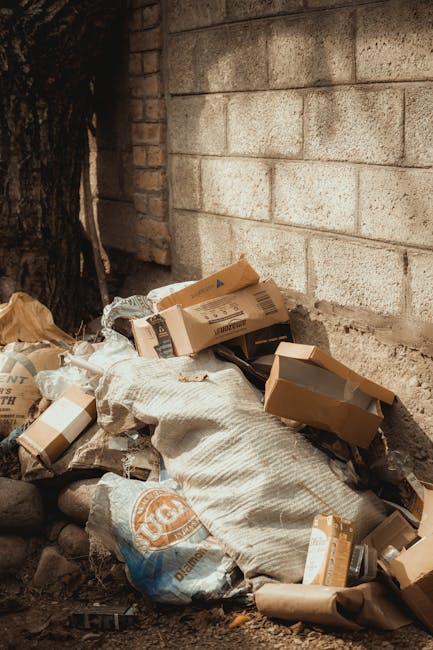
Getting a rubbish removal quote should feel straightforward. You send over a few details, get a price, and move on with your day. In reality, though, plenty of people in Cranford are caught out by small-print charges, vague "from" prices, or extras that only appear once the van is already outside. If you want to avoid hidden fees in Cranford rubbish removal quotes, the answer is not to hunt for the cheapest headline price. It is to know exactly what is included, what may cost more, and how a proper quote should be presented.
This guide breaks it all down in plain English. You will see how rubbish removal pricing usually works, which fee traps to watch for, what to ask before you book, and how to compare quotes with a calmer head. It is written for anyone clearing a home, flat, garage, loft, office, garden, or building waste in and around Cranford. To be fair, a bit of clarity upfront can save you a surprising amount of stress later.
Why Avoid hidden fees in Cranford rubbish removal quotes Matters
Hidden fees are not just annoying. They can turn a sensible clearance into an expensive job that no longer feels good value. A quote might look fine on the page, then suddenly the final bill includes stair charges, distance fees, labour add-ons, congestion adjustments, awkward access costs, or extra disposal costs for items the team says were not described correctly. That is the sort of thing that leaves people muttering at the window while the driver waits on the road.
In Cranford, where properties can range from compact flats to larger family homes and mixed-use premises, the real challenge is often not the rubbish itself. It is the detail. A quote based on a quick photo can be accurate if the information is clear, but it can also miss things like basement access, narrow hallways, heavy items, or a larger volume than expected. One missed detail can change the price. Sometimes fairly. Sometimes not.
It matters because most people are not paying for rubbish removal every week. You want one clean transaction, not a back-and-forth over terms you did not know existed. Transparent pricing also makes it easier to choose the right service for your needs, whether that is house clearance, garage clearance, loft clearance, or larger waste removal jobs.
Expert summary: the best quote is not the lowest one you see first. It is the one that explains the job clearly, names the included costs, and leaves as little room as possible for surprise charges.
How Avoid hidden fees in Cranford rubbish removal quotes Works
A good quote process is usually simple. You describe the rubbish, the access, and the location. The company estimates the volume, labour, transport, and disposal requirements. If the job is straightforward, the quote may be fixed. If the details are uncertain, the company may give a guide price and explain what could alter it. That openness is a good sign, not a bad one.
The problem starts when the quote is too vague. Phrases like "subject to inspection", "additional charges may apply", or "price from" are not automatically red flags, but they should trigger questions. What exactly could change the price? How much? Under what circumstances? If the answer is fuzzy, the final bill may be too.
Here is the normal flow when pricing is done properly:
- You provide a description of the waste, ideally with photos.
- The provider estimates the load size and labour needed.
- Any unusual access or special handling is discussed early.
- The quote states what is included and what may cost extra.
- On arrival, the team confirms the job before starting.
That last point matters a lot. A reputable company should not quietly change the price halfway through unless the actual job genuinely differs from what was described. If a customer has said "two sofas and a mattress" and the collection becomes "two sofas, a mattress, three wardrobes and a pile of old tiles", the quote can reasonably change. But if the provider failed to ask the right questions, that is on them.
If you are comparing options, it helps to look at related services too. For example, a clearer picture of what you need can come from pages such as furniture disposal, furniture clearance, or builders waste clearance, depending on what is being removed.
Key Benefits and Practical Advantages
Transparent rubbish removal pricing does more than protect your wallet. It makes the whole job easier to plan. You can schedule the clearance with confidence, compare providers fairly, and avoid that awkward moment when you are standing in the driveway trying to negotiate with a van crew while the neighbour is walking past. Nobody wants that.
- Better budgeting: you know the likely final cost before the work begins.
- Fewer disputes: clear terms reduce the chance of arguments on the day.
- Faster decision-making: you can compare quotes without guessing what is missing.
- Less stress: there is no nasty surprise when the invoice arrives.
- Better service fit: you can choose the right clearance type for the waste involved.
There is also a practical advantage that people sometimes overlook: accuracy improves the schedule. If the provider knows the job scope, they can send the right vehicle, the right number of staff, and the right time slot. That often means the collection is smoother and quicker, which is exactly what you want when a hallway is full of boxes or the garage has become a sort of accidental museum of broken things.
If you are looking at household decluttering, you may also find it useful to review services like home clearance or flat clearance, because the type of property can influence access and pricing more than people expect.
Who This Is For and When It Makes Sense
This matters for almost anyone booking a clearance, but it is especially useful if you have never hired a rubbish removal team before. First-time users are often the most exposed to hidden extras because they may not know what to ask. And to be honest, some providers do not volunteer enough detail unless prompted.
You will benefit most if you are:
- clearing a home after a move, renovation, or bereavement
- getting rid of bulky furniture or multiple large items
- disposing of garden waste, shed contents, or seasonal clutter
- arranging an office or business clearance
- removing builders' waste after work at the property
- sorting a loft, garage, or storage area that has been left for years
It also makes sense when your job involves multiple item types. Mixed loads can affect disposal costs, especially if some items need different handling. For example, a plain furniture collection may be simpler than a load that mixes timber, plasterboard, broken appliances, and garden waste. Different materials can mean different disposal routes, and the quote should reflect that clearly.
For business owners, this is especially worth paying attention to. A workplace clearance that looks affordable on paper can become costly if access is tricky or the volume has been underestimated. If your project is commercial, it is worth reading about business waste removal or even office clearance so you can speak the same language when requesting pricing.
Step-by-Step Guidance
Here is the simplest way to keep a rubbish removal quote honest and predictable.
1. List exactly what needs removing
Do not just say "a bit of rubbish". That phrase is the enemy of accurate pricing. Count the items if you can. Mention anything bulky, heavy, fragile, messy, or awkward. A sofa, a bed base, and a stack of black bags are not the same job as a full loft load of mixed clutter.
2. Describe access clearly
Tell the company whether the waste is downstairs, upstairs, in the garden, through a narrow side passage, or in a basement. Mention gates, parking issues, and stairs. If a vehicle cannot park nearby or the team has a long carry, say so. This is one of the biggest reasons quotes change later.
3. Ask what the quote includes
Ask whether the price covers labour, loading, disposal, transport, VAT if applicable, and any minimum charge. You are not being difficult. You are doing what sensible people do when they would rather not get a surprise invoice.
4. Ask what could increase the price
Any provider should be able to explain this in plain English. Common triggers include extra volume, restricted access, hazardous items, parking limitations, or a longer collection time than anticipated.
5. Get confirmation in writing
Email, text, or booking confirmation is better than memory. Even a short written summary helps. If the final bill is different, you have a fairer basis for discussing it.
6. Recheck the load before collection
Have a quick look at what is being taken away. If items have been added at the last minute, mention them early. That tiny step can prevent the whole "well, actually..." moment when the team is already loading.
7. Review the terms before booking
It is not glamorous reading, but terms matter. Look for payment rules, cancellation terms, access assumptions, and pricing conditions. A short read now can save a long headache later. You can also review terms and conditions and payment and security details where relevant.
Expert Tips for Better Results
After enough clearances, a few habits stand out. They are small things, but they make a proper difference.
- Send photos in daylight. Dim garage photos and blurry loft shots lead to guesswork. Morning light helps more than people realise.
- Photograph the access route too. A pile of waste is only half the story. A tight stairwell or awkward turn can matter just as much.
- Separate special items early. If there are mattresses, white goods, paint tins, or mixed builders' waste, group them so the provider can price correctly.
- Ask for itemised wording. A quote that simply says "waste removal" is less helpful than one that says what the load covers.
- Be wary of vague "best price" promises. The cheapest quote is not always the cheapest final bill. Funny how that works, isn't it?
- Check whether recycling is discussed. A responsible company should be able to explain how items are sorted, reused, or recycled where possible. That links closely with recycling and sustainability.
One useful habit is to ask the same set of questions to every company you contact. That way you are comparing like with like, rather than comparing a full-service quote with a thin, underexplained one. It sounds obvious, but when you are in a rush, obvious things tend to slide.
Common Mistakes to Avoid
The biggest mistake is chasing the headline price without checking the details. A quote that looks lower may simply be missing a few essential items. The second biggest mistake is assuming every company uses the same pricing model. They do not.
- Not providing enough detail: rough descriptions create rough quotes.
- Ignoring access issues: stairs, parking, and carrying distance can all affect cost.
- Forgetting about mixed waste: different materials may need different disposal handling.
- Skipping the terms: hidden charges often live in the small print.
- Failing to ask about minimum charges: small jobs can still have a base cost.
- Choosing only by speed: fast is useful, but not if the final invoice is a shock.
Another easy trap is assuming that "free estimates" mean "no chance of change". An estimate is still an estimate. If the provider has not seen the job properly, it is not a promise. That is why photos, clear notes, and a written confirmation matter so much.
If you are dealing with bulky items, it may help to understand the difference between collection and disposal services. A page such as furniture clearance or furniture disposal can give you a better sense of how item-specific jobs are usually handled.
Tools, Resources and Recommendations
You do not need fancy tools to avoid hidden fees. A phone camera and a written checklist will do more for you than most people expect.
- Phone photos: take wide shots, close-ups, and access photos.
- Notes app or checklist: list every item and any awkward details.
- Measurements: rough dimensions of large furniture can help more than guesswork.
- Postcode and access notes: include floor level, parking restrictions, and entry points.
- Comparison questions: use the same questions for every quote so the answers are comparable.
Here are a few practical recommendations that tend to work well in Cranford and nearby areas:
- Take photos before you start moving things around; the original layout often matters.
- Keep heavy or unusual items separate so they are easy to mention.
- Confirm whether the quote assumes ground-floor access or includes carrying from an upper floor.
- Ask whether the provider handles multiple categories of waste in one visit.
- Keep the booking reference and written quote together in one place.
If you are not sure where your job fits, browsing the relevant service pages can help you narrow it down before asking for pricing. For example, garden clearance suits outdoor waste, while builders waste clearance is more appropriate for rubble, timber, and renovation leftovers. Matching the service to the waste is one of the easiest ways to avoid confusion.
Law, Compliance, Standards, or Best Practice
When rubbish is being removed in the UK, the main thing to remember is that waste should be handled responsibly and by a provider who understands their obligations. You do not need to become a legal expert, but you should expect sensible, lawful behaviour and clear documentation where appropriate.
Good practice usually includes:
- clear description of the waste being collected
- transparent pricing before the job starts
- appropriate handling of different waste types
- responsible disposal and recycling where possible
- proper insurance and safe working methods
For a customer, the practical takeaway is simple: ask how the provider handles disposal, what happens to reusable items, and whether there are any special restrictions on certain materials. If something sounds awkward or sensitive, mention it early. That is especially true for mixed waste, heavy items, or anything that may need extra caution during lifting and transport.
It is also sensible to look for reassurance on safety, insurance, and secure payment. Those details may not sound glamorous, but they say a lot about how a company works day to day. A provider that explains these things clearly is usually easier to trust. You can also review pages such as insurance and safety and health and safety policy for a better sense of that approach.
Options, Methods, or Comparison Table
There are a few common ways rubbish removal pricing is presented. None is perfect, but understanding the differences helps you spot hidden costs more quickly.
| Pricing approach | How it works | Pros | Risk of hidden fees |
|---|---|---|---|
| Fixed quote | A set price is given for the agreed job. | Easy to understand; good for budgeting. | Low, if the quote truly matches the job scope. |
| Estimated price | A guide price is given before inspection or confirmation. | Useful when details are incomplete. | Medium, because the final price may change. |
| Load-based pricing | The price depends on how much space the waste takes in the vehicle. | Flexible and often fair for mixed loads. | Medium, especially if volume is hard to judge. |
| Time-and-labour pricing | The cost depends on how long the team spends on site. | Can suit very awkward or variable jobs. | Higher, if access or sorting takes longer than expected. |
For most customers, the safest option is the one that combines a clear scope with a written confirmation. A fixed quote is great if the job is well described. An estimate can still be fine, but only if the company explains the possible adjustments properly. That is the key point really.
Case Study or Real-World Example
A Cranford homeowner had a garage full of old furniture, a broken chest of drawers, three bags of mixed clutter, and a small pile of garden waste at the side of the house. Two quotes came back quickly. The first one looked cheaper at first glance, but it barely explained anything. It simply said "garage clearance from GBPX". The second quote was a little higher, but it listed what was included, asked for photos of the access route, and mentioned that extra items or difficult carrying distances could affect the price.
On collection day, the first provider would likely have had room to add charges. The second provider already knew the task: narrow side access, short carry, mixed items, no surprise hazard waste. The homeowner chose the clearer quote. In the end, the final bill matched the expectation, the job was finished in one visit, and there was no awkward debate by the front gate. A small win, but a meaningful one.
That is the pattern you see again and again. The more precise the information upfront, the less likely hidden fees are to appear later. It is not magic. Just good communication.
Practical Checklist
Use this checklist before you accept any rubbish removal quote.
- Have I listed every item or waste type clearly?
- Have I included photos of the waste and the access route?
- Do I know whether the price includes labour, transport, and disposal?
- Have I asked what could increase the cost?
- Do I understand whether the quote is fixed or estimated?
- Have I checked the payment terms and cancellation rules?
- Do I know if any items need special handling?
- Have I compared at least two quotes on the same basis?
- Do I have the confirmation in writing?
- Have I checked whether recycling or reuse is part of the service?
If most of those boxes are ticked, you are in a much stronger position. If not, pause and ask a few more questions. Better a five-minute delay than a surprise charge later.
Get a free quote today and see how much you can save.
Conclusion
To avoid hidden fees in Cranford rubbish removal quotes, the real skill is not bargain hunting. It is clarity. Clear item descriptions, clear access details, clear terms, and clear expectations. When those things are in place, pricing tends to make sense and the job tends to go smoother too.
That does not mean every quote must be identical or every provider must use the same model. It simply means you should understand what you are paying for before anyone lifts a bag. If you take one thing from this guide, let it be this: the best rubbish removal quote is the one that feels boringly clear. Boring is good. Boring saves money.
And if you are still comparing options, keep your focus on trust, detail, and fit for the job rather than the flashiest headline number. A little care upfront can make the whole experience easier, and honestly, that is usually worth more than a tiny discount.
Frequently Asked Questions
How do I spot hidden fees in a rubbish removal quote?
Look for vague language, unclear exclusions, and prices that seem too general. If the quote does not explain labour, disposal, access, and possible extras, ask for more detail before booking.
Is a cheap rubbish removal quote always a bad sign?
Not always, but a very low price can mean something has been left out. It is better to compare what each quote actually includes than to focus only on the number at the bottom.
Should rubbish removal companies give fixed quotes?
They often can for straightforward jobs. If the waste and access are clearly described, a fixed quote is usually possible. More complex jobs may need a detailed estimate instead.
What details should I send when asking for a quote?
Send item lists, photos, rough quantities, access information, floor level, parking details, and anything unusual such as heavy or mixed waste. The more accurate the description, the better the quote.
Why do rubbish removal quotes change on the day?
Usually because the actual job turns out to be different from the description. Extra items, awkward access, or unexpected waste types can all affect the final price.
Are stair charges common?
They can be, especially for upper-floor collections or properties with difficult access. If stairs are involved, it is best to ask whether that is already included.
Can I avoid extra charges by sending photos?
Yes, photos help a lot. Wide shots of the rubbish and the access route make it easier for a provider to price the job properly and reduce the chance of adjustments later.
Do mixed loads cost more?
Sometimes they do, because different materials may need different handling or disposal routes. Mixed household waste, furniture, garden waste, and builders' waste may not all be priced the same way.
What should a transparent quote include?
It should explain what is being removed, what the price covers, what might increase the cost, and whether the quote is fixed or estimated. Written confirmation is also very helpful.
How can I compare two rubbish removal quotes fairly?
Ask the same questions about scope, labour, access, disposal, and payment terms. Then compare the answers side by side. That is far more useful than comparing headline prices alone.
Is it worth reading the terms and conditions before booking?
Yes, absolutely. That is where cancellation rules, payment details, and pricing conditions usually sit. A quick read can prevent misunderstandings later.
What if I think I have been charged unfairly?
Start by checking the written quote, booking confirmation, and any messages you exchanged. If the charge still looks wrong, raise it calmly and ask for a clear explanation of the difference.