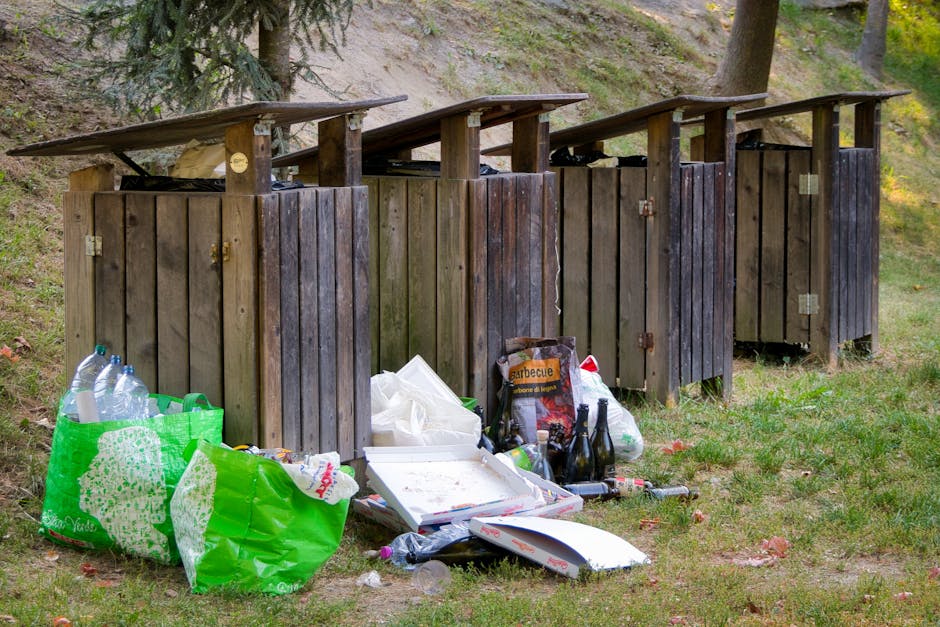
Common problems with flat access rubbish clearance in Cranford

If you have ever tried to clear rubbish from a flat and thought, "This should be simple," Cranford has a way of proving otherwise. Shared entrances, awkward stairwells, limited parking, narrow hallways, and the usual race against time can turn a quick clearance into a bit of a scramble. The common problems with flat access rubbish clearance in Cranford are rarely about the waste alone; they are usually about access, coordination, and not quite enough space where you need it most.
This guide breaks the issue down in plain English. You will see what tends to go wrong, why it matters, how the process should work, and what to do before items start moving. Whether you are a tenant, landlord, letting agent, homeowner, or dealing with an inherited flat full of mixed belongings, a little planning can save a lot of hassle. Truth be told, a good clearance is mostly won before the van even arrives.
Why common flat access rubbish clearance in Cranford matters
Flat clearance sounds straightforward until you try moving a sofa through a tight landing while someone is coming down the stairs with groceries. In Cranford, where flats may sit above shops, inside older conversions, or in compact modern developments, access can be the whole story. If the access plan is poor, rubbish clearance becomes slower, more expensive, and more stressful for everyone involved.
It matters for a few reasons. First, delays can affect neighbours and building management. Shared entrances are not the place for a pile-up of bagged waste, old furniture, and broken bits of shelving. Second, access issues can increase the risk of damage to walls, bannisters, flooring, and lifts. And third, the crew may need to work around parking restrictions or timed entry windows, which is never ideal when the lift is already small and the bulky items are not.
There is also a trust element here. A clearance company that understands flat access problems usually asks better questions before arrival. They will want to know about stair width, lift size, floor level, entry codes, loading distance, and whether items need to come through communal areas. That kind of detail sounds boring, but it is the difference between an organised job and a chaotic one.
For broader waste handling needs beyond flats, it can help to understand how waste removal is planned when access is limited, and how related jobs such as flat clearance or furniture disposal are handled when bulky items need extra care.
Expert summary: Most flat access problems are not "waste problems" at all. They are planning problems. If access, parking, timing, and item size are checked early, the clearance is usually much smoother.
How common flat access rubbish clearance in Cranford works
A well-run flat clearance follows a simple pattern: assess, plan, remove, sort, and clear down. The challenge is that flats add a few layers of complication that you do not always get with a house. You may be working through a communal hallway, around a lift booking slot, or inside a block where nothing oversized fits neatly through the route. A bit of tape measure work can save a lot of sweating later.
Here is the basic flow. First, the property is reviewed. That might be done from photos, a video call, or a quick site visit, depending on how much needs removing. Next, the access route is checked: front door width, stair turns, lift dimensions, fire doors, entry restrictions, and parking. After that, the clearance team decides how many people, how much time, and what equipment is needed. Finally, the waste is removed and separated for reuse, recycling, or disposal, as appropriate.
In practice, the hard parts are usually quite predictable:
- Narrow staircases: especially in converted properties and maisonettes.
- Lift restrictions: some lifts are too small or too fragile for bulky items.
- Shared access: neighbours, building rules, and entry codes can slow everything down.
- Parking difficulty: the van may not be able to stop right outside.
- Mixed waste: old furniture, bagged rubbish, electrical items, and awkward odds and ends may all need different handling.
If you are also comparing related services, the same kind of access planning often applies to house clearance, home clearance, and even office clearance where buildings have reception rules or service lifts. Different setting, same need for organisation.
The process is usually easier when the client clears pathways, confirms any building rules in advance, and flags fragile or heavy items early. A little honesty helps too. That old filing cabinet that "is not that heavy" often turns out to be very heavy indeed. Funny how that happens.
Key benefits and practical advantages
When flat access rubbish clearance is planned properly, the benefits are obvious pretty quickly. The job moves faster, the building stays tidier, and everyone is less likely to end the day frustrated. That might sound modest, but in a shared building, modest is good. Very good.
- Less disruption for neighbours: items are moved efficiently, rather than left in communal areas.
- Lower risk of damage: careful route planning protects walls, doors, lifts, and flooring.
- Better time management: fewer surprises means less waiting around.
- Improved safety: fewer blocked corridors and less manual handling strain.
- Cleaner outcomes: the property can be left ready for re-letting, sale, or refurbishment.
There is also a practical financial advantage. If a team knows the access route in advance, they can give a more realistic quote and bring the right number of people. That is where pages like pricing and quotes become useful, because a quote that reflects the actual building layout is usually better than a guess based on a few photos and optimism.
For customers who care about what happens after the clearance, it is worth looking at recycling and sustainability. Good access planning is not only about convenience; it also helps the team sort items properly instead of rushing everything into one grab-and-go pile.
Who this is for and when it makes sense
Flat access rubbish clearance in Cranford is relevant to a surprisingly wide group of people. If you are looking at a packed hallway and wondering how on earth the lot will come out, this is probably for you.
- Tenants moving out: especially when the flat needs to be emptied quickly at the end of a tenancy.
- Landlords: after a long let, where the property may contain abandoned items or mixed waste.
- Letting agents: when turnaround times are tight and access instructions matter.
- Homeowners in flats: if you are decluttering or replacing furniture.
- Executors and families: managing a flat after a bereavement can be emotionally heavy enough without access chaos on top.
- Property managers: dealing with communal buildings, shared entrances, and resident concerns.
It makes sense whenever bulky items, bagged rubbish, or mixed contents need to be removed from a building with limited manoeuvring room. That includes old wardrobes, mattresses, broken desks, kitchen bits, and the sort of "temporary storage" that somehow lived in the corner for three years.
If your situation is broader than a flat, a service such as furniture clearance or furniture disposal may be part of the answer, especially when individual items are the main obstacle rather than full-room contents.
Step-by-step guidance
Here is a practical way to approach a flat clearance where access may be tricky. It is simple, but not simplistic. A clear plan makes the day less messy, and less noisy too.
- Walk the route first. Check the front door, stairs, lift, corridor width, and any awkward corners.
- Measure bulky items. Wardrobes, sofa beds, mattresses, and cabinets often need the most thought.
- Identify building rules. Look at booking slots, loading restrictions, noise limits, and entry requirements.
- Separate keep, donate, recycle, and remove. This saves time on the day.
- Clear the path. Move small items, rugs, and loose obstacles out of the way.
- Tell the team about special items. Hazardous materials, sharp objects, or heavy appliances need extra care.
- Confirm parking and access details. A van that cannot park nearby changes the whole rhythm of the job.
- Do a final sweep. Check cupboards, balcony storage, and behind doors before the team leaves.
If you are dealing with a larger clean-out, the same logic helps with loft clearance and garage clearance too. Different spaces, same principle: know the route before the heavy lifting starts.
One useful habit is to take a few photos of the access points from the doorway inward. That is especially handy where communal areas are tight or the lift has a low ceiling. It sounds almost too simple, but it often prevents the classic day-of surprise.
Expert tips for better results
After enough clearances, a few patterns show up. The jobs that go well are rarely the ones with the fanciest kit; they are the ones with the clearest preparation. Here are the things worth doing.
- Be specific about the building type. A purpose-built block is not the same as a converted Victorian terrace. The access route can be completely different.
- Tell the team about tight turns. One sharp corner can turn a simple lift job into a carry-down job.
- Keep lift times realistic. If several residents rely on the same lift, work out a sensible window instead of trying to do everything during peak use.
- Label items if needed. In a shared flat or probate situation, labels reduce arguments. And yes, arguments over an old lamp happen more often than people admit.
- Protect the common areas. If the team or building management uses covers or mats, it helps avoid scuffs on the way out.
- Ask about recycling routes. Clear separation can improve environmental handling without making the job slower.
There is also a human tip that does not sound technical but matters a lot: choose a calm time of day. Early mornings can work well if the building is quiet, while busy evenings can be awkward. The same trolley can feel twice as heavy when everyone is trying to get past it.
If you want a better sense of the company behind the service, it is sensible to review the about us information, along with insurance and safety and the health and safety policy. Those pages are often a good sign that the team treats access work carefully rather than casually.
Common mistakes to avoid
Most access problems are avoidable. The annoying part is that they are often obvious in hindsight. A few mistakes come up again and again.
- Underestimating item size: a sofa, bed frame, or cabinet may be too bulky for the route you imagined.
- Ignoring parking reality: "We can just stop outside" is not always how Cranford streets or private developments work.
- Forgetting communal rules: some blocks require notice before using lifts or moving waste through shared areas.
- Leaving everything to the last minute: this leads to rushed decisions and avoidable damage.
- Not separating hazardous items: batteries, chemicals, and sharp objects need different handling.
- Assuming all rubbish can be mixed together: it often cannot, at least not if you want a tidy and responsible outcome.
Another easy mistake is only thinking about the exit route and not the staging area inside the flat. Where will the items sit while they are being sorted? If the answer is "everywhere," the day may become a little chaotic. Not disaster-level chaotic, just enough to make everyone sigh.
In some cases, clearance issues are really about the kind of property rather than the waste itself. A cramped flat might need a plan closer to a house clearance strategy, while a business-style unit in a mixed-use block may share concerns with business waste removal.
Tools, resources and recommendations
You do not need a warehouse full of equipment to manage a flat clearance well. Still, a few basic tools and a couple of sensible resources make life easier.
- Tape measure: useful for doorways, lifts, and awkward furniture.
- Phone camera: photos of access routes and bulky items save endless back-and-forth.
- Marker labels or notes: ideal when items need to be sorted into keep, recycle, or remove.
- Sturdy gloves and closed shoes: simple, but worth saying.
- Bin bags or sacks: for loose rubbish, textiles, and smaller items.
- Clear building instructions: entry codes, lift rules, parking notes, and contact details.
From a service perspective, a few useful pages can support decision-making. If you are pricing a job, check pricing and quotes. If security and payment matter to you, the payment and security page is worth a look. If you want a fuller picture of how the business handles waste responsibly, see recycling and sustainability.
One small recommendation: keep a simple written note of what has to come out and what must stay. It sounds old-fashioned, but in a flat with several rooms and a few people involved, that note can save a mess of confusion. Paper still has its moments.
Law, compliance, standards, or best practice
Flat clearance is not just about moving items from A to B. There are sensible legal and best-practice expectations behind the scenes, especially where waste is being collected from a home or communal building. The exact duties can vary depending on the type of waste and who is arranging the collection, so it is wise to keep things cautious and practical.
In UK settings, good practice usually means using a proper waste carrier, handling items safely, and making sure waste is taken to appropriate facilities rather than dumped. If electrical items, batteries, chemicals, or sharp materials are involved, they should be separated and treated carefully. Likewise, shared buildings may have rules about access, noise, signage, and use of communal areas. Those rules are not always thrilling reading, but they do matter.
For customers, the safest approach is to ask clear questions before the job starts:
- Will the team manage recycling where appropriate?
- How will bulky items be moved through the building?
- What happens if access is more difficult than expected?
- Are insurance and safety arrangements in place?
- What items should be separated in advance?
That is where pages such as terms and conditions, complaints procedure, and accessibility statement can be helpful as part of a broader trust check. You are not looking for legal theatre. You are looking for evidence that the service is set up to do the job properly.
And if you are in any doubt about a particular item, especially something potentially hazardous, ask before it is moved. Safer is better. Always.
Options, methods, or comparison table
Not every flat access clearance needs the same method. Some jobs are simple enough for a small team and a short visit. Others need more planning, more labour, or a staged approach. Here is a straightforward comparison to help you think it through.
| Method | Best for | Pros | Limitations |
|---|---|---|---|
| Small-item removal | Bagged rubbish, a few boxes, minor decluttering | Quick, flexible, usually low disruption | Not suitable for bulky furniture or large volumes |
| Bulky-item clearance | Sofas, wardrobes, beds, cabinets | Good for awkward access if planned well | May require extra hands and access checks |
| Full flat clearance | End of tenancy, probate, major declutter | Comprehensive and efficient when organised | Needs clear sorting and more time on site |
| Staged clearance | Very tight access, restricted lifts, busy buildings | Reduces pressure on the building and neighbours | Can take longer across multiple visits |
For many Cranford flats, a staged or partially staged approach is the most realistic. That is especially true where there is one narrow staircase and a lift that does not love heavy objects. It is slower, yes. But slower can be smarter, and smarter usually means fewer headaches later.
Case study or real-world example
Imagine a two-bedroom flat above a row of shops in Cranford. The occupier is moving out, the hallway is narrow, and the lift is too small for a large wardrobe. There is also a delivery window downstairs, which means the loading space is only available for part of the morning. Not a nightmare, but not exactly breezy either.
The clearance is still manageable because the planning happens first. The wardrobe is measured before arrival. Smaller items are bagged and labelled in advance. The team is told about the loading restrictions, so they schedule the bulky carry for the quietest time. One person checks the route while another manages the doorway. The lift is used for smaller items only. The wardrobe is dismantled rather than forced through whole. Simple, really - though it rarely feels simple while you are standing in a corridor with a screwdriver in your hand.
The result is a clean handover, no damage to the communal walls, and no arguments with neighbours. Most importantly, the occupier avoids the trap of paying for extra time because nobody thought to mention the wardrobe was a near-perfect fit for the wrong side of the stairwell.
This sort of planning is why related services like builders waste clearance or garage clearance can teach a useful lesson too: access and sorting matter more than people think. Waste removal is never just about removal.
Practical checklist
Use this checklist before the clearance day. It is simple, but it catches a lot of the usual problems.
- Measure the biggest items and note anything that may need dismantling.
- Check stairways, landings, and lift size.
- Confirm building access codes, keys, or concierge arrangements.
- Ask whether there are restrictions on when items can be moved.
- Reserve parking or loading space where possible.
- Separate items you want to keep from items to be removed.
- Identify anything hazardous, fragile, or unusually heavy.
- Clear the path inside the flat and in communal areas if you are allowed to do so.
- Take photos of tricky access points.
- Check the plan with the clearance provider before the day arrives.
If you need to handle a broader property emptying alongside the flat, related services such as loft clearance or home clearance may be relevant too. Different spaces, same need for order.
Get a free quote today and see how much you can save.
Conclusion
The common problems with flat access rubbish clearance in Cranford are usually not mysterious. They come down to space, timing, route planning, and the realities of shared buildings. Once you know what to check, the whole process becomes more manageable. Maybe not glamorous, but manageable - and that counts for a lot when you are standing in a second-floor hallway with a mattress to move.
The best results come from early preparation, clear communication, and a sensible approach to safety and sorting. If you are dealing with a flat that feels awkward to clear, do not assume it will sort itself out on the day. A careful plan will usually save time, stress, and a few unnecessary surprises.
If you are ready to take the next step, use the service pages, trust pages, and pricing information to shape a clear plan before anything gets lifted. Calm planning tends to win the day, and that is no bad thing.
Frequently Asked Questions
What are the most common problems with flat access rubbish clearance in Cranford?
The biggest issues are narrow stairs, small lifts, parking limits, shared entrances, and awkward turning spaces. In many flats, the waste itself is easy enough - it is the route that causes the trouble.
How do I know if a bulky item will fit through the flat access route?
Measure the item and the route. Check door widths, stair turns, and lift dimensions. If something feels close, it probably is. Take photos too, because photos often reveal the awkward bit you missed the first time.
Can rubbish be left in communal hallways before collection?
Usually that depends on the building rules and the arrangement for collection. Leaving waste in shared areas can upset neighbours and may create access or safety issues, so it is better to confirm the plan first.
Do flat clearances cost more when access is difficult?
They can, because difficult access may mean more time, more labour, or a staged approach. A proper quote should reflect the actual building layout rather than assuming everything is straightforward.
What should I tell the clearance team before they arrive?
Tell them about stairs, lifts, parking, entry codes, bulky items, fragile items, and any building restrictions. The more accurate the information, the less likely there will be a delay on the day.
Is it better to dismantle furniture before a flat clearance?
Sometimes yes, especially for wardrobes, bed frames, or tables that are clearly too bulky for the route. But only dismantle items if you are confident it is safe and you know how to rebuild or remove them properly.
What happens if the van cannot park close to the building?
The team may need extra time and a longer carry distance. That is why parking and loading details matter so much. A short walk from the van can become a long one when you are carrying a heavy cupboard.
Can mixed waste and furniture be removed together?
Often yes, provided the items are suitable for the same collection and sorted sensibly. It helps to separate recyclable materials, electrical items, and anything hazardous in advance.
What is the safest way to prepare a flat for rubbish clearance?
Clear pathways, secure fragile items, label what is staying, and tell the provider about any heavy or awkward pieces. A little preparation goes a long way, especially in a tight flat.
Why is access planning so important for flat clearance?
Because most delays and damage happen during movement, not collection. If the route is too tight or poorly planned, the job becomes slower, riskier, and more stressful for everyone involved.
Where can I check pricing or next steps?
You can review the service information, look at pricing and quotes, and get a clearer sense of what is involved before booking. If you need to discuss a specific situation, the contact page is available through the website too.
What if I am dealing with a flat after a bereavement or move-out deadline?
That is where careful planning matters most. These jobs can be emotionally and practically demanding at the same time, so a calm, structured clearance makes the process feel far less overwhelming.