What to know when access is tight for Cranford rubbish crews
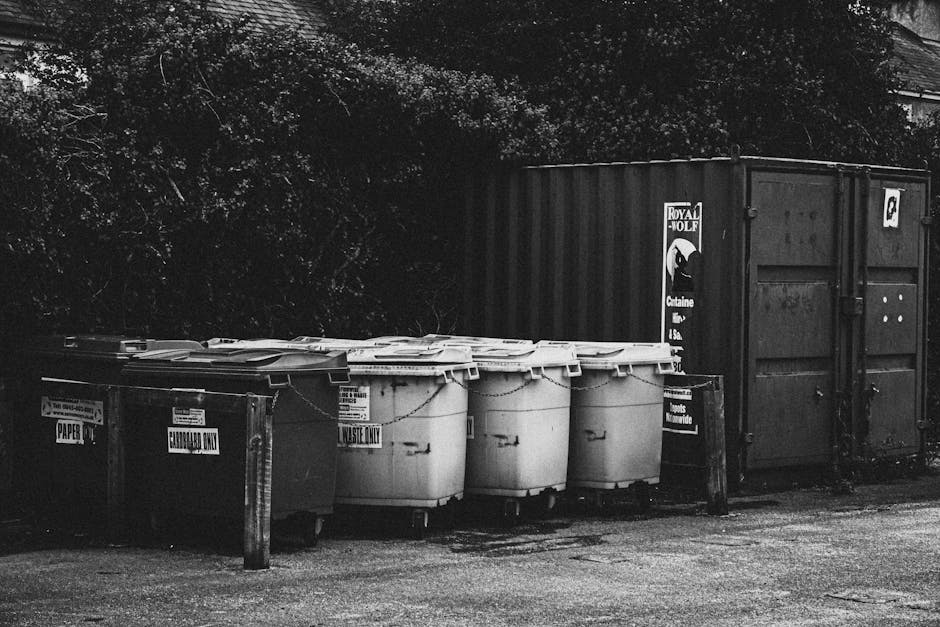
If you are trying to clear rubbish from a narrow drive, a shared alley, a top-floor flat, or a back garden with barely enough room to swing a broom, you already know the problem: access can make a simple clearance feel much bigger than it is. That is exactly why what to know when access is tight for Cranford rubbish crews matters. The right plan saves time, reduces disruption, and helps the crew work safely without turning your lane, stairwell, or doorstep into a bottleneck.
In practice, tight access is less about the waste itself and more about how everything gets from A to B. Can a vehicle stop nearby? Is there enough room to carry items out? Will large furniture need dismantling? Are there awkward bends, low ceilings, shared entrances, or muddy ground? These are the details that decide whether a clearance feels smooth or messy. The good news is that most access issues can be managed with a bit of forward thinking.
This guide breaks the topic down in plain English: why access matters, how rubbish crews usually handle tricky sites, what to prepare before collection day, and the common mistakes that cause delays. You will also find a checklist, a comparison table, and a realistic example, because let's face it, every property in Cranford has its own little quirks.
Why access matters more than people expect
Restricted access changes the whole shape of a clearance job. A pile of garden waste or a room full of furniture might not sound difficult on paper, but if the crew cannot get close enough, move freely, or park legally, even a small job can stretch out. Tight access usually means more carrying, more turning, more caution, and sometimes a different vehicle choice altogether.
That is why good rubbish crews ask questions early. They are not being fussy. They are trying to work out whether the job needs extra hands, a smaller van, more time, or a different loading plan. A narrow front path, a basement flat, a shared courtyard, or a property near a busy stretch of road can all affect the schedule. You may not notice until collection day how much a single step, kerb height, or awkward gate latch slows things down.
There is also the safety side. Tight spaces create pinch points, trip hazards, and lifting problems. If a crew has to carry heavy bags or bulky furniture through a cramped hallway, they need to move carefully. Nobody wants a scratched wall, a damaged bannister, or an avoidable injury because someone rushed a corner. To be fair, most clearance issues happen not because the work is hard, but because access was underestimated.
For homeowners and businesses, the real value is predictability. When access is planned properly, you get a better idea of timing, labour, and cost. That makes the whole process feel calmer, which is never a bad thing when you are looking at a garage full of old bits you have avoided for months.
How tight-access rubbish removal works
When crews deal with difficult access, they usually start with an assessment. That might be a phone conversation, photos, or a quick look on arrival. They are checking how far they have to carry items, whether the route is clear, and whether any items need to be broken down before they move them. If the property is a flat, they may also consider stair width, lift size, and any shared corridors.
After that, the collection plan changes to suit the space. Sometimes the crew can still use a standard vehicle, but park a little further away and make multiple trips. Sometimes a smaller vehicle is the better option. In other cases, they may recommend preparing waste in a front area first so the loading happens faster on arrival. Simple idea, but it works.
For larger or more awkward jobs, a team may separate waste into categories before moving it. Furniture can go one way, mixed rubbish another, and garden waste or builders' spoil may be loaded differently depending on weight and handling. This is especially useful when access is only open for a short time, such as in a busy street or shared driveway.
If you have ever watched two people try to manoeuvre a sofa round a tight stair landing, you know the story. One person says "slightly left", the other says "I am already left", and somehow the banister still loses. Planning avoids that whole scene.
In local clearance work, the best results usually come from combining good information with a flexible approach. A good crew will ask about kerbs, parking, gates, stairs, basement steps, and whether anything needs dismantling. You give them the facts, they do the rest. That's the basic rhythm.
Key benefits and practical advantages
Managing restricted access well is not just about making the crew's life easier. It brings clear benefits for you too.
- Less disruption: A well-planned collection avoids repeated trips through your home or workplace.
- Lower risk of damage: Clear routes and sensible lifting reduce scuffs, knocks, and accidental breakages.
- Better time control: A crew that understands access issues can schedule realistically.
- Improved safety: Fewer awkward lifts and less crowding make the job safer for everyone.
- More accurate quotes: If the access details are clear, the estimate is usually closer to the final job.
- Smarter vehicle choice: Some sites need a smaller van or extra labour, and planning this early avoids delays.
There is also a quiet benefit people often miss: reduced stress. Tight-access clearances can feel a bit intimidating, especially if the site is a flat, a loft, or a property with shared access. Once the crew has a clear plan, the whole thing feels less like a problem and more like a process.
If your clearance includes furniture, the value of good access planning becomes even more obvious. A bulky wardrobe or corner sofa can be difficult to move if the route is tight, so it may help to look at furniture clearance support or, where individual pieces are being taken away, furniture disposal. If the job is part of a wider property clear-out, home clearance services can be a better fit because they handle mixed items in one visit.
Who this is for and when it makes sense
Tight-access rubbish removal is relevant to more people than you might think. It is not just for awkward city flats. A suburban house with a long side return, a business with a courtyard loading area, or a garage with a narrow opening can all create the same sort of issue.
This kind of planning makes particular sense for:
- Flat residents dealing with stair-only access, shared entrances, or limited parking.
- Homeowners with narrow drives, garden alleys, steep steps, or difficult back-garden routes.
- Landlords and letting agents arranging end-of-tenancy or void-property clearances.
- Offices where items need to be removed through reception, lifts, or restricted corridors.
- Builders and tradespeople working on sites with limited skip access or constrained loading space.
- People clearing lofts, garages, or basements where the access route is the real challenge, not the waste volume.
If you are not sure whether your situation counts as tight access, ask yourself one simple question: could two people carry a fridge, mattress, or sack of mixed rubbish through the route without slowing to a crawl? If the answer is no, it is worth flagging it early.
For multi-storey or staircase-heavy jobs, services such as flat clearance and loft clearance are often relevant because they are designed around awkward access and manual carrying. For larger property clear-outs, house clearance can be the more practical route.
Step-by-step guidance for a smoother clearance
Here is a straightforward way to prepare when access is limited. Nothing fancy. Just the bits that make the day run better.
- Describe the access honestly. Mention narrow gates, steps, low ceilings, shared hallways, parking restrictions, and whether the route has turns or slopes.
- Measure the key pinch points. Door widths, stair landings, gate openings, and lift dimensions can all matter.
- Take a few clear photos. One from outside, one of the route, and one of the items can save a lot of back-and-forth.
- Separate what is definitely going. It is easier for the crew when items are grouped rather than hidden across several rooms.
- Check whether anything must be dismantled. Wardrobes, bed frames, shelving, and office desks often move better in pieces.
- Clear the route. Move bins, shoes, bikes, tools, plant pots, or anything else that creates a trip hazard.
- Think about parking. If space is tight near your property, see whether a neighbour, porter, or building manager needs to be told in advance.
- Confirm timing and access windows. Shared sites, estates, and managed buildings can have awkward collection windows. Best to check early.
A small detail can make a big difference. If there is a front door code, a locked gate, or a loading bay key, have it ready. It sounds obvious, but these are the things that slow jobs down when nobody expects them.
For waste that comes from a project rather than a household clear-out, builders waste clearance is often the better option because the team can plan around heavier, dustier, and more awkward materials. Office moves are a different beast again, so office clearance may suit better if desks, chairs, filing, or IT items need taking out through a restricted entrance.
Expert tips for better results
In our experience, the best tight-access jobs are the ones where the crew arrives already knowing where the trouble spots are. Not guessing. Knowing. That little bit of clarity removes most of the friction.
Keep the route as straight as possible
The fewer turns, the fewer pauses. Even a small move, like opening both halves of a gate or removing a door stop, can give just enough room to carry items more safely. If a shed, planter, or parked bike narrows the path, move it first.
Tell the crew about fragile surfaces
Gloss paint, old plaster, narrow bannisters, and soft stone steps need a gentler touch. A crew can protect those areas better if they know in advance. It is the sort of thing people forget until a bag brushes the wall. Then everyone winces.
Use disassembly to your advantage
If a sofa will not pass the landing, take the feet off. If a bed frame is too long, break it down. If a wardrobe has to come apart, do it before collection day if you safely can. This is often the quickest way to reduce carrying pressure.
Be realistic about parking
Sometimes "there should be space" really means "maybe if no one else has parked there by then". That is not a reliable plan. If access depends on a very specific space, mention it clearly. A crew can usually work around uncertainty, but only if they know it exists.
Think about weather and surface conditions
A wet alley, muddy garden path, or icy step changes the risk. On a damp morning, even a short route can become slippery and slow. It is one of those details people only notice when they hear boots scraping on concrete. Not ideal.
If the job involves outdoor waste, garden clearance can be very useful because it is often planned around side access, rear access, and uneven ground. For bulky items that are simply difficult to get out, a local team can usually advise whether waste removal is the most efficient option overall.
Common mistakes to avoid
Most access problems are avoidable. The trouble is that they usually look minor until the crew is standing there trying to make a two-metre piece of furniture fit through a one-metre gap. Here are the mistakes that cause the most friction.
- Understating the access issue: "A little tight" can mean anything from mildly awkward to almost impossible. Be precise.
- Forgetting about height as well as width: Low branches, canopies, stair rails, and cellar ceilings all count.
- Leaving the route cluttered: Shoes, boxes, and plant pots on the path can slow things down more than expected.
- Not checking parking restrictions: A perfect clearance plan falls apart quickly if the vehicle cannot stop nearby.
- Assuming all waste can be moved in one piece: Sometimes dismantling is the difference between smooth and stuck.
- Ignoring building rules: Managed properties often have specific lift, corridor, or booking rules.
- Waiting until the last minute to mention access: The earlier the issue is raised, the easier it is to solve.
One more thing. People often worry about "making a fuss" by explaining access details. Don't. This is not fuss. It is useful information. Clear information is what helps the job go right the first time.
Tools, resources and recommendations
You do not need specialist equipment to prepare for a tight-access collection, but a few simple items help a lot. Think practical, not over-engineered.
- Tape measure: Useful for checking doors, stair gaps, and item dimensions.
- Phone camera: A couple of clear photos can explain a site faster than a long message.
- Basic screwdriver or allen key: Handy for dismantling flat-pack furniture or removing loose fittings.
- Work gloves: Useful if you are moving sharp or dusty items before the crew arrives.
- Lighting: Loft hatches, basements, and side alleys are often darker than people remember.
- Bin bags or rubble sacks: Good for smaller loose waste where safe and appropriate.
For added reassurance, it can help to choose a provider that is open about process and expectations. Pages such as about the company, insurance and safety, and health and safety policy are useful when you want to understand how a team approaches risk, handling, and site care. If you care about what happens after collection, recycling and sustainability is worth reading too.
If you are comparing costs or trying to understand what affects the final price, pricing and quotes is the right place to start. Tight access often affects labour or time on site, so transparency matters. And if you are the sort of person who likes to know the fine print before anything starts, the terms and conditions are there for that reason.
Law, compliance, standards, and best practice
Any rubbish removal job in the UK should be handled with care around legal disposal responsibilities, safe handling, and proper transfer of waste. You do not need to become an expert in waste law to book a clearance, but it helps to know the basics.
First, waste should only be moved and disposed of by people who are doing the job properly and lawfully. That means the crew should understand what can be taken, how it should be handled, and where it should go next. If the waste includes mixed materials, broken furniture, or construction debris, the route and loading method may need to reflect that.
Second, access problems do not remove the duty to work safely. Narrow corridors, stairs, slippery paths, and heavy items all raise the risk of harm. Good practice means slowing down where needed, using the right lifting method, and not forcing items through unsafe gaps.
Third, good communication is part of compliance in a practical sense. If the team knows about parking issues, locked gates, shared access, or building restrictions, they can plan without creating avoidable disruption. That is especially useful in flats, managed blocks, and workplaces.
You may also want to keep your own records simple but tidy: who collected the waste, what was removed, and when the job took place. That is especially sensible for business premises or landlord-managed properties. Nothing dramatic, just a sensible paper trail.
For businesses, business waste removal can be more appropriate than a domestic-style clearance because commercial sites often have different access rules, timing requirements, and quantities of waste. It is all about matching the job to the setting.
Options, methods, and comparison table
There is more than one way to handle a tight-access clearance. The right choice depends on volume, weight, route, timing, and whether the space is residential or commercial.
| Method | Best for | Advantages | Limitations |
|---|---|---|---|
| Standard crew with careful carry-out | Short routes, moderate access issues | Simple, flexible, often quickest to arrange | May be slower if the route is very narrow |
| Smaller vehicle approach | Restricted streets, narrow drives, tighter parking | Easier to position near the property | May require more loading time or more trips |
| Pre-dismantled items | Bulky furniture, awkward staircases | Reduces the size of each load and improves safety | Needs preparation before the crew arrives |
| Sectioned staging area | Back gardens, basements, lofts, office clearances | Creates a clearer loading point | Requires a little space to sort items beforehand |
| Specialist clearance plan | Complex flats, builders' waste, mixed heavy items | Better control, better route planning, fewer surprises | May involve more detailed quoting or scheduling |
Which method is best? Usually the one that fits the access, not the one that sounds quickest in theory. A slower plan that avoids damage and awkward lifting is often the better deal in real life. No contest, really.
Case study or real-world example
A fairly typical Cranford job might involve a first-floor flat with no lift, a narrow entrance hall, and a small parking window outside. The resident wants to clear a double bed frame, a mattress, several black bags of mixed household waste, and a couple of old chairs. On paper, it sounds manageable. In person, the staircase has a bend halfway down, and the front pavement is already busy by late morning.
Before collection day, the resident sends photos of the stairs and the items. The crew spots that one chair is too awkward to carry whole, so it is dismantled in advance. The bed frame is broken down into smaller sections, and the route from the front door is kept clear. A neighbour agrees to leave a parking space open for a short window, which helps a lot.
When the crew arrives, they already know the tricky part is the turn at the staircase. That means they can handle it carefully instead of discovering it halfway through the job. The collection still takes patience, but it is controlled, quiet, and far less stressful than if the team had turned up blind.
That is really the heart of it. Tight access is not a deal-breaker. It is just a planning issue, and planning issues are manageable.
Practical checklist
Use this quick list before your collection day. It is simple, but it catches most of the problems people forget.
- Have you explained any narrow gates, stairs, or low ceilings?
- Have you measured doorways, stair gaps, or lift access if needed?
- Have you sent clear photos of the route and the items?
- Have you checked parking, loading, or permit restrictions?
- Have you moved clutter, bins, bikes, or plant pots out of the way?
- Have you decided whether any furniture needs dismantling?
- Have you told the crew about fragile surfaces or building rules?
- Have you separated the waste you definitely want removed?
- Have you checked whether the job is best suited to household, office, garden, or builders' clearance?
- Have you kept contact details handy in case access changes on the day?
Expert summary: If access is tight, the best results come from clear information, early planning, and a realistic view of the route. Measure what matters, remove obstacles, and do not assume the crew can simply "work around it" without details. They usually can work around it - but only if they know exactly what "it" is.
If you are weighing up the best next step, start with the service type that matches your property and the waste you have. A loft, a flat, a garage, or a house will each present different access challenges, and choosing the right approach keeps the job tidy from the start. If you prefer a team that handles the awkward bits calmly and without drama, that is exactly the sort of thing to ask about before booking. Calm beats chaotic every time.
Get a free quote today and see how much you can save.
Conclusion
What to know when access is tight for Cranford rubbish crews comes down to one thing: do not leave the access details to chance. The more the crew knows about the route, the property, and the items, the easier it is to plan a safe, efficient clearance. That means fewer surprises, better timing, and a smoother experience for everyone involved.
Whether you are clearing a flat, a loft, a garage, an office, or a garden route that feels a bit too narrow for comfort, a good plan turns a difficult job into a manageable one. It does not have to be complicated. It just has to be honest, practical, and thought through.
If you take anything from this guide, let it be this: small access details are never small once the crew arrives. Mention them early, prepare the route, and the whole job becomes much easier. Sometimes the simplest prep saves the most hassle. Funny how that works.
Frequently Asked Questions
What counts as tight access for rubbish crews?
Tight access usually means any route that limits movement, parking, or lifting space. That might be a narrow side alley, steep steps, a shared hallway, a basement entrance, or a property where the vehicle cannot stop close to the waste.
Do I need to measure my doors and stairs before booking?
It helps a lot, especially for bulky items like beds, wardrobes, sofas, and desks. You do not always need exact measurements for everything, but knowing the key pinch points makes planning much easier.
Can crews still collect rubbish if there is no parking right outside?
Often, yes. The team may park further away and carry items in stages, or use a smaller vehicle if that is more practical. The important thing is to explain the parking situation clearly before collection day.
What should I do if furniture will not fit through the staircase?
Check whether it can be dismantled safely into smaller parts. Removing legs, doors, shelves, or frames often solves the problem. If dismantling is difficult, tell the crew in advance so they can plan for it.
Is tight access more expensive?
It can be, depending on the extra time, labour, or vehicle type needed. Not every difficult-access job costs more, but access is one of the main factors that affects quoting.
Should I send photos before the crew arrives?
Yes, if you can. Photos of the entrance, route, parking area, and main items are often the quickest way to explain a tricky site. They save time and reduce misunderstandings.
Can rubbish be collected from a flat without a lift?
Yes, many flat clearances are done by stair carry. The key is to be honest about the number of floors, the width of the stairs, and whether there are turns or landings that make carrying harder.
What happens if the access turns out to be worse than expected?
The crew may need to adjust the plan on the spot, which can mean more time, careful dismantling, or in some cases rescheduling if the site is unsafe. That is why giving full details up front is so useful.
Can garden waste be removed through a narrow side passage?
Usually yes, as long as the route is safe and passable. Branches, soil bags, and mixed green waste can often be moved through tight outdoor access, but muddy or uneven ground may slow things down.
What is the best way to prepare a tight-access property?
Clear the route, measure the narrow points, remove clutter, send photos, and tell the crew about any locks, codes, or building rules. A few minutes of prep can save a lot of hassle later.
Do business premises need different planning from homes?
Usually they do. Offices, shops, workshops, and storage areas often have loading bays, reception areas, lift rules, or timed access windows. That is why business collections benefit from a slightly more structured plan.
Where can I check the company's safety and payment information?
It is sensible to review pages such as insurance and safety, payment and security, and complaints procedure before booking. They help set expectations and give you a clearer sense of how the service is handled.